A well-made printed patch can last for years on a jacket, cap or uniform. A poorly made one can crack or fade in a few months. The difference comes down to five things: the print method, the base fabric, the border, how the patch is attached, and how it is washed. You control most of them before you place an order.
This guide covers realistic lifespans, what causes failure, how printed patches compare with stitched ones, and a simple testing routine you can run before a bulk order.
TL;DR
- Printed patches typically last about 2 to 3 years on hats in the one source we found, and the print is the first thing to fade under heavy sun. Treat that as a ballpark, not a guarantee.
- Stitched patches (embroidered and woven) usually outlast printed ones in heavy abrasion and frequent washing. Printed patches win on photo-level detail and gradients.
- Most early failures trace back to a weak bond or a poor press, not the artwork. Backing choice and attachment matter as much as the print.
- Wash a sample made on your real fabric more than once before you commit to a large run.
- Want to see one in your hands first? We send complimentary samples with our quotes.
Table of Contents
- What “durable” means for a printed patch
- How long do printed patches last?
- What makes printed patches fade, crack, peel or fray
- Printed vs embroidered vs woven: how they hold up
- How attachment changes lifespan
- Care: how to wash a printed patch
- Test before you order in bulk
- Our perspective: when we recommend printing, and when we don’t
- Order a printed patch built to last
- FAQ
- Sources
What “durable” means for a printed patch
When buyers ask about durability, they are usually asking about four separate failures:
- Fading: the colors lose strength from light, washing or chemicals.
- Cracking: the surface of the print splits, often at folds or on stretchy fabric.
- Peeling or lifting: the patch edge separates from the garment.
- Fraying: the border or base fabric unravels.
Each has a different cause and a different fix. A patch that fades is a print problem. One that peels is almost always an attachment problem. Keeping them apart will save you from blaming the wrong thing when something goes wrong.
A printed patch is made by applying the artwork to a base fabric, usually twill or a similar cloth, and then finishing the edge. That is different from a stitched patch, where the design is built from thread. Because the design sits on the surface as ink or dye, how well it bonds matters more than anything else.
How long do printed patches last?
There is no single number, and anyone who gives you one without asking about the fabric, the wear and the washing is guessing.
One US decorator reports that sublimated or printed hat patches typically last 2 to 3 years, with the adhesive usually holding and the print fading under heavy sun exposure. The same source says a properly heat-pressed hat patch can last 3 to 5 years or more, often the life of the hat, and that the quality of the initial press is the main variable.
Take those as rough ranges from one decorator, not a standard. They do point at a useful rule: the same patch can last twice as long or half as long depending on how it was made and applied.
Here is how we think about lifespan by use case:
| Use | Main stress | What to expect |
|---|---|---|
| Display or fashion jacket, worn occasionally | Light handling | Printed patches generally hold up well |
| Cap or hat patch | Sun, sweat, rubbing | Fading is the first sign of age |
| Everyday uniform, washed weekly | Heat, detergent, tumbling | Needs a tested backing and a wash trial |
| Outdoor or work gear | Abrasion, moisture, UV | Often better served by a stitched or PVC patch |
What makes printed patches fade, crack, peel or fray
Light and weather
Ultraviolet light breaks down dyes and inks over time. That is why caps, backpacks and outdoor jackets show fading first. Dark, saturated colors and large solid areas tend to show it most clearly. If your patch lives outdoors, ask about UV-resistant finishing and consider whether a stitched or PVC option fits better. Our guide to outdoor patches and the tests buyers should ask about goes deeper.
Washing and drying
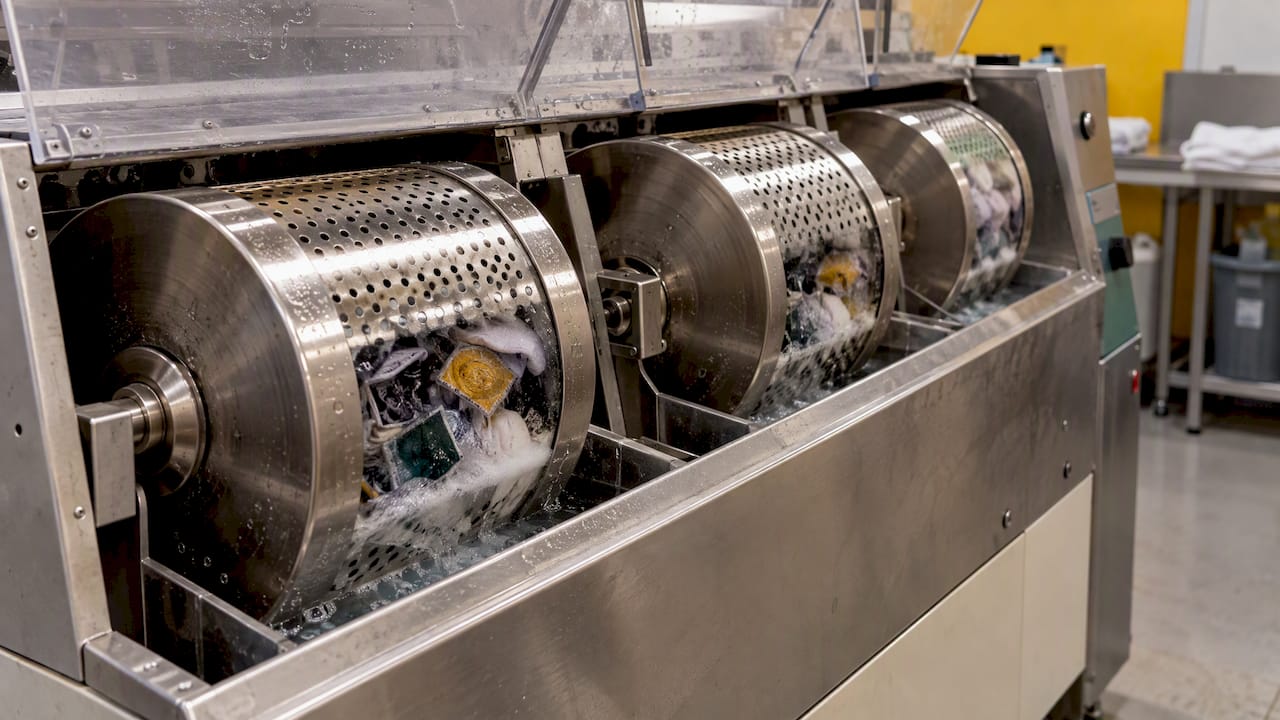
Heat, agitation and detergent are hard on any decoration. The AATCC TM61 method exists because laundering stress, including detergent and abrasive action, can be approximated in an accelerated 45-minute test that stands in for five typical home launderings. In short, repeated washing is a measurable stress, and printed patches should be judged against it.
Under-cured or poorly bonded print
In garment printing generally, the cure is critical. One ink supplier notes that an improperly cured plastisol print may fail only after a customer washes the garment, showing color loss, poor adhesion or cracking. The same page says a properly cured print washes well, and that you should turn the item inside out and not iron over the print. The lesson for patches is the same: a patch that looks perfect on delivery can still be under-processed. This is why a wash test matters.
A weak attachment
A patch that lifts at the corners is often blamed on the print. In practice, the backing, the heat, the pressure and the fabric usually decide it. We cover that in its own section below.
Edge and base fabric
Fraying starts at the border. A merrowed or laser-cut edge protects the base fabric in different ways, and a bare edge on a loosely woven base will unravel sooner. If your patch will be washed often, choose the border with that in mind.
Printed vs embroidered vs woven: how they hold up
Stitched patches have a structural advantage. Embroidery is built from layered thread, so there is no surface coating to crack. One comparison describes embroidered patches as highly durable and abrasion-resistant, with woven patches thinner and flatter and good for long-term performance under frequent washing. The same piece says printed patches are generally more sensitive to environmental factors and washing conditions, though sublimation-printed patches can be very resilient.
That matches what we see. Here is the honest trade-off:
| Printed | Woven | Embroidered | |
|---|---|---|---|
| Fine detail and gradients | Excellent | Very good | Limited by stitch size |
| Abrasion resistance | Moderate | Good | Very good |
| Frequent washing | Depends on bond and cure | Good | Very good |
| Texture | Flat | Flat, fine | Raised, tactile |
| Best for | Photos, complex artwork, many colors | Small text, crisp logos | Bold logos, classic look |
If your art has gradients, photographic shading or a dozen colors, printing is the right tool. If it is a bold logo that will be rubbed and washed for years, a stitched patch is often safer. Our comparison of printed vs woven patches walks through that choice by order type, and woven vs embroidered for apparel covers the stitched side. If you are weighing rubber, PVC patch durability is worth a read too.
How attachment changes lifespan
The patch is only as durable as its connection to the garment. We make patches with sew-on, iron-on, peel-and-stick and Velcro backings, and each behaves differently.
- Sew-on: the most permanent option for garments that are washed often. Stitching through the border holds the patch even if the fabric flexes.
- Iron-on: convenient and fast, but the bond depends on heat, pressure, time and the fabric underneath. Heat-sensitive or stretchy fabrics are harder. For a safe routine, see our iron-on patch steps that respect care labels and the temperature guide by fabric.
- Peel-and-stick: good for short-term or display use, not for garments you wash.
- Velcro: ideal when the patch needs to come off before washing or move between garments. That also protects the print from the washer.
For production, test your press settings on scrap fabric first. We explain how in heat press settings for patches. A press that is a few seconds short or a little cool can produce a patch that looks attached and fails in a month.
A practical tip for uniforms: if the garment will be laundered weekly, we recommend sewing around the border even on an iron-on patch. It costs a few minutes per garment and removes the most common cause of peeling.
Care: how to wash a printed patch
Good care can add real life to a printed patch. These habits apply to most printed designs:
- Turn the garment inside out so the patch is not rubbing against other items.
- Use a gentle cycle and cold or cool water. Hot water and strong agitation speed up fading and loosen adhesive.
- Skip bleach and harsh stain removers on or near the patch.
- Air dry when you can. If you use a dryer, choose low heat.
- Do not iron directly on the print. Put a cloth between the iron and the patch, or iron from the reverse side of the garment.
- Avoid dry cleaning unless your care instructions say it is fine.
The heat advice here follows general garment-printing guidance, which also says to turn items inside out and not iron the printed area, as in the ink-supplier page linked above. Always check the garment’s own care label first, because the base fabric sets the limit. If you supply patches for uniforms, our guide on matching backing to the wash routine helps you avoid reprints.
Test before you order in bulk
The single best protection against a bad batch is a test. A textile testing lab advises that you wash a sample made with the production system on the production fabric more than once when long life is expected, rather than relying on general rules. We agree with that, and it is simple to do.
Here is a routine you can run yourself:
- Request a sample on the same base fabric and with the same backing you plan to order.
- Attach it to the real garment using your actual method: same press, same time, same temperature.
- Wash it five to ten times on your normal cycle. Dry it the way your customers will.
- Check after each wash for edge lifting, color shift, surface cracks and loose threads.
- Stretch and fold the fabric under the patch to see if the print cracks.
- Leave one in sunlight on a windowsill for a few weeks if the patch will live outdoors, then compare it with an unexposed twin.
If you need formal numbers, labs use standard methods. The AATCC TM61 test mentioned earlier is the accelerated laundering method for colorfastness, and ask your supplier whether any of their patches have been tested to it. A home wash trial is not a substitute for lab results, but it will catch most real-world problems before you have paid for 500 pieces.
Our perspective: when we recommend printing, and when we don’t
We make embroidered, woven, PVC, leather, chenille and printed patches, so we have no reason to push one method. We look at what the patch has to survive.
Printed patches are the right answer when your artwork has detail that thread cannot hold: a photo, a watercolor gradient, a complex illustration with many colors. They are also a good fit for display pieces, merchandise that is not washed constantly, and small boutique items such as personalized baby apparel, where soft, flat and detailed matters more than heavy abrasion resistance.
We steer people toward a stitched or PVC patch when the item will be washed weekly, used outdoors for years, or worn in a high-friction spot like a bag strap or work jacket. That is not a knock on printing. It is matching the tool to the job, which is what keeps customers from coming back with a faded batch.
Our advice to every buyer is the same: tell us how the patch will be worn and washed, ask for a sample, and test it on your real fabric. The best durability decision is made before production, not after.
— Bilal
Order a printed patch built to last
If your artwork needs full color and fine detail, our printed patches are made to order with the shape, border and backing you choose. Custom patches start from $99, and we send complimentary samples so you can wash-test before you commit. Quotes come back quickly and shipping is free.

Not sure which method fits? Send us your design and how the patch will be used, and we will tell you plainly whether print, woven or embroidery is the safer bet. You can also check what custom patches cost at 10, 100 and 1,000 pieces before you request your free quote.
If you need your logo converted for stitching instead, our embroidery digitizing starts at $10 for a left chest or cap design.
FAQ
Do printed patches fade in the wash?
They can, particularly with hot water, harsh detergent, bleach or a dryer on high heat. Turning the garment inside out, using a gentle cool cycle and air drying slow fading considerably. Run a multi-wash test on a sample before you order in volume.
Are printed patches less durable than embroidered ones?
Generally yes under heavy abrasion and frequent washing, because stitched thread has no surface layer to crack or wear off. Printed patches are the better choice when the design needs gradients or photographic detail. A well-made, well-attached printed patch is still a long-lasting option for moderate use.
Can I iron a printed patch onto a jacket or cap?
Yes, if the backing is heat-activated and the fabric tolerates the heat. Test your time, pressure and temperature on scrap fabric first, and consider stitching around the edge for items you will wash often. Check the garment’s care label before pressing.
How do I know a printed patch will survive my fabric?
Test it. Attach a sample to the real garment with your real method, then wash and dry it several times and look for lifting, cracking or color shift. A wash trial on production fabric tells you more than any general rule.
Which patch type is best for outdoor use?
Sun, rain and abrasion favor stitched or PVC patches over printed ones. If you want a printed look outdoors, ask about UV-resistant finishing and test a sample in direct sun before ordering.
Sources
- How Long Do Heat Press Hat Patches Last? (Print Phase)
- Embroidered vs Printed Patches: Which Lasts Longer?
- How Printing, Embroidery and Sublimation Affect Care Labels (Voyager Textile)
- AATCC TM61 Test Method for Colorfastness to Laundering: Accelerated
- General Information about Screen Printing Plastisol Inks (Lawson)