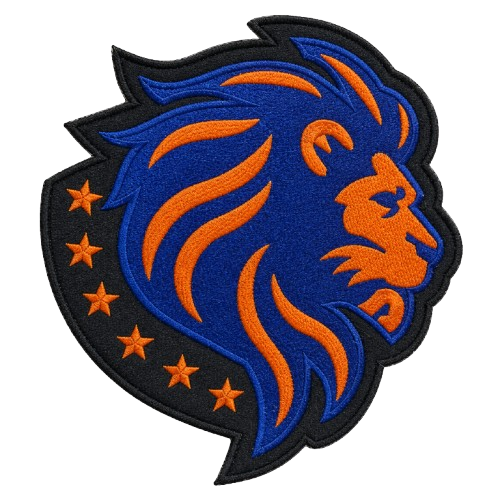
Yes, photo patches printing can reproduce photographic detail, gradients, and unlimited colors that embroidery simply can’t stitch. Expect the finish to feel flat rather than textured compared to embroidered patches, and expect the process to require polyester or polyester-coated material for the dye to bond permanently. Reputable suppliers will send a proof before production and may set a minimum order size, so plan your backing and edge finish before you submit artwork.
TL;DR:
- Dye sublimation is the preferred printing method for photo patches, producing detailed images with gradients and multiple colors that embroidery cannot replicate.
- Consistency in color accuracy relies heavily on controlled press temperatures, proper dye-sublimation equipment, and using color calibration profiles, not just artwork quality.
- High-resolution files at 300 DPI and lossless formats like PNG or TIFF are essential for sharp, detailed patches, with at least 300 DPI at the final size.
- Polyester-based fabrics or coatings are necessary for durable, colorfast sublimation patches, while cotton shirts are incompatible without attaching a polyester patch.
- Combining printed patches with embroidery increases cost and lead time but offers enhanced visual and tactile quality for premium branding projects.
Table of Contents
- What Are Photo Patches and When Should You Choose Them?
- How Does Photo Printing on Patches Actually Work?
- What File Format and Resolution Do You Need for Photo Patches?
- Which Fabrics Work Best for Photo Patches?
- What Backing and Edge Finish Should You Choose?
- How Much Do Photo Patches Cost, and How Long Does an Order Take?
- Can You Combine Printed Patches with Embroidery?
- Why Choose Leeembroidery for Photo Patch Printing?
- Where Photo Patch Buyers Get the Process Wrong
- Get Your Custom Photo Patches Made
- Sources
- FAQ
What Are Photo Patches and When Should You Choose Them?
Photo patches, sometimes called printed patches, use full-color printing rather than needle and thread to put an image onto fabric. Instead of building a design out of stitched thread colors, the printer applies ink directly onto a polyester surface, capturing detail that embroidery physically cannot replicate: photographic skin tones, sunset gradients, small text, fine line art, and logos with more than a handful of colors.
That capability is the whole appeal. Embroidery has a practical color ceiling. Thread count and stitch density limit how many shades you can blend into a design, and tiny details tend to blur into a single stitched blob once the needle gets involved. Dye-based printing sidesteps that limit entirely, which is why custom photo patches have become the go-to option for anything that looks more like a photograph than a logo.
That said, printed patches trade texture for detail. Where embroidered patches have raised thread you can feel with your fingers, printed patches lie flat against the fabric, closer to a sticker than a badge. Some buyers want that dimensional feel and will lose it if they print instead of stitch, so it’s worth weighing appearance against tactile expectations before you commit.
Printed patches work best for:
- Photo logos and mascots with gradients, shadows, or more than six colors.
- Memorial patches built around an actual photograph of a person, pet, or event.
- Retail apparel and merchandise where brand colors need to match precisely across a print run.
- Small, detailed artwork like fine line illustrations or text-heavy designs that would blur in thread.
How Does Photo Printing on Patches Actually Work?
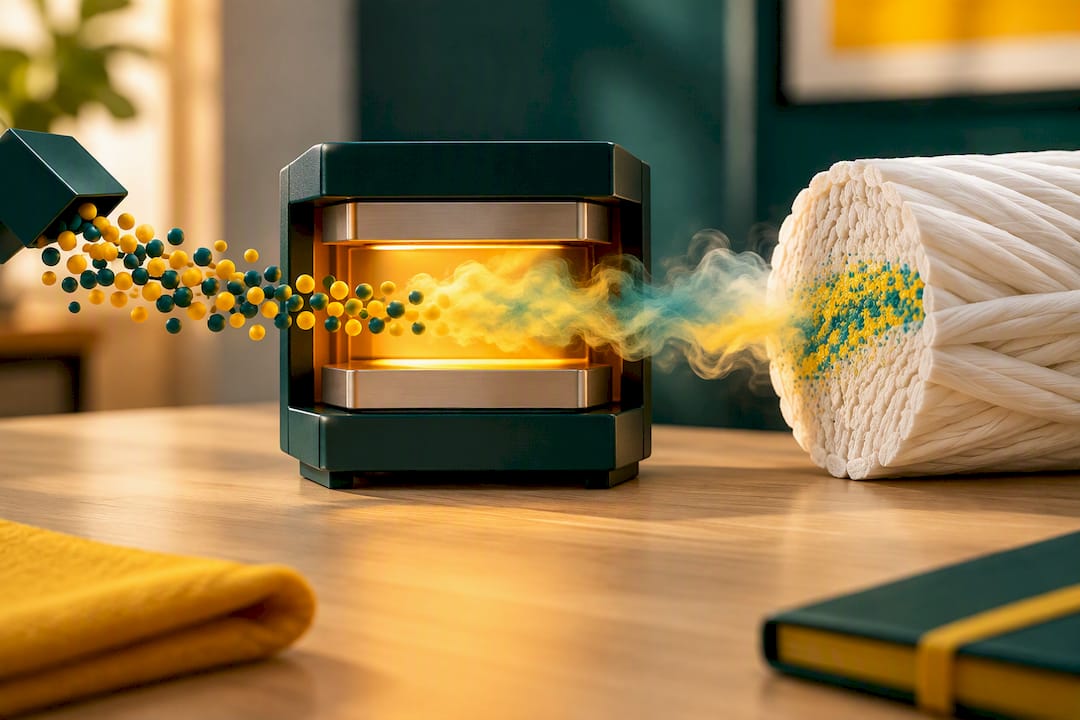
Most photo-realistic patches are produced through dye sublimation, a process that turns solid ink into gas under heat and pressure, then lets that gas bond directly into polyester fiber. The result is a permanent, sub-surface color rather than a coating sitting on top of the fabric. Nothing gets glued or laid over the material. The color becomes part of the fiber itself, which is why a properly sublimated patch won’t crack, peel, or fade the way an iron-on decal eventually does.
Transfer printing is the other common method, where a design is printed onto special paper and then pressed onto the patch material using heat. It’s a cousin of dye sublimation but with a slightly different bonding mechanism, and it’s often used when a job needs a faster turnaround or a smaller run.
The catch with either method is that color accuracy depends heavily on production discipline, not just the artwork file. Research on sublimation transfer printing found that final color output shifts noticeably depending on press temperature and dwell time, with test ranges of temperatures in the high 300s °F and dwell times from about half a minute to near a full minute producing measurably different results on synthetic fabrics, verified with spectrophotometer readings against CIELAB and Delta E standards. In plain terms: two patches made from the identical file can look different if the press settings or fabric batch aren’t controlled.
That’s why the smartest question you can ask a vendor isn’t “can you print this,” it’s “how do you control for consistency.” A supplier that tracks printer models, standardizes heat-press parameters, and uses ICC color profiles is far more likely to hand you a patch that matches your screen than one that eyeballs the settings run to run.
Before you place an order, ask the vendor these four things:
- What printer and ink system do they run for photo prints?
- Do they calibrate heat-press temperature and dwell time between jobs?
- Do they use ICC color profiles or Delta E measurement to check color accuracy?
- Can they send a digital proof, and is a physical sample available before a full production run?
A vendor that answers all four without hesitation has clearly done this before.
What File Format and Resolution Do You Need for Photo Patches?
The single most common cause of a disappointing patch isn’t bad printing. It’s a bad file. Garbage in, garbage out applies with unusual force here, because a patch magnifies every flaw in a low-resolution image instead of hiding it.
Follow this order of operations when prepping artwork:
- Start with the highest-resolution file you have. A photo pulled from a social media post or a compressed screenshot will look soft or pixelated once it’s blown up to patch size.
- Target 300 DPI at the final print size, which is the standard resolution benchmark for photographic dye-sublimation output. A patch printed at 3 inches wide needs a file sharp enough to hold detail at that exact dimension, not just look good zoomed out on a monitor.
- Save in a lossless or near-lossless format. TIFF and PNG preserve detail better than a heavily compressed JPG, though JPG, PNG, TIFF, and PDF are all commonly accepted for dye-sub work.
- Build in bleed and a safe area. Keep critical text or faces away from the outer edge, since trimming and edge finishing can shave a sliver off the perimeter.
- Flatten complex layered files carefully, or send the layered source file if your design has transparency, so the vendor can adjust without guessing what’s behind an element.
Also confirm your image is sized realistically. Transfer paper and press equipment have physical size limits often matching common letter or legal dimensions, which caps how large a single printed patch can practically be.
Pro Tip: Zoom your image to 100% on screen and view it at the patch’s actual physical dimensions before sending it. If it looks blurry or pixelated at that size on your monitor, it will look worse once printed and heat-pressed onto fabric.
Which Fabrics Work Best for Photo Patches?
Dye sublimation only bonds permanently to polyester. That’s not a marketing preference. It’s basic fiber chemistry: the dye needs polyester’s molecular structure to lock into during the heat and gas transfer, and natural fibers like cotton don’t have that structure, so ink applied directly to cotton won’t hold up to washing or abrasion the way it does on polyester.
This is why the best fabric for photo patches is a polyester twill or a polyester-blend substrate designed specifically for sublimation. If you want a photo-realistic look on a cotton garment, the answer isn’t printing directly onto cotton. It’s printing the patch itself onto a polyester base, then attaching that patch to the cotton item. Some suppliers also offer polyester-coated fabrics that let sublimation bond to a surface layer over a different base material, which opens up more creative combinations, though it’s worth asking for a wash-test result before committing to a large order on a coated substrate.
Durability under normal wear is genuinely good once the chemistry is right. A properly sublimated patch on the correct fabric holds color through repeated washing because the dye lives inside the fiber, not on top of it. Stick to cold or warm wash cycles rather than hot water, avoid high-heat ironing directly on the printed surface, and if ironing is unavoidable, use a protective cloth as a barrier between the iron plate and the patch to prevent scorching.
What Backing and Edge Finish Should You Choose?
Backing and edge finish decide how your patch attaches and how it looks up close, and both choices matter more than most buyers expect.
Backing options:
- Sew-on is the most secure option and holds up best on garments that see heavy wear or repeated washing, like uniforms or jackets.
- Iron-on offers quick application with a heat press or household iron, but it depends on the garment tolerating heat without scorching.
- Hook-and-loop (Velcro) lets the wearer swap patches in and out, popular on tactical gear, backpacks, and uniforms that rotate branding.
- Adhesive backing gives a temporary or semi-permanent stick, useful for short-term promotional use rather than long-term wear.
Edge finish options:
- Merrowed border uses a stitched overlock edge around the patch perimeter, giving a classic, slightly raised outline that reads as traditional and durable.
- Laser cut edge trims tight to the artwork shape with a heat-sealed edge and no visible stitching, ideal for irregular shapes and modern-looking designs.
- Embroidered border wraps the printed center in stitched thread, blending photo detail in the middle with a textured, more premium-feeling edge.
Match the backing to the garment. Thin, heat-sensitive fabrics like performance athletic wear or nylon shells generally do better with sew-on or Velcro rather than iron-on, since a hot press can warp or discolor synthetic material that wasn’t built for direct heat contact.
How Much Do Photo Patches Cost, and How Long Does an Order Take?
Price on a printed patch order comes down to a handful of variables working together rather than any single factor. Size drives cost first, since a larger patch uses more material and press time. Quantity matters just as much: unit price drops significantly as order volume climbs, because setup work gets spread across more pieces. Backing choice, edge finish, and any artwork cleanup the vendor has to do before printing all add incremental cost on top of that base.
Here’s the general order of operations most buyers go through when budgeting a run:
- Get a quote based on size, quantity, and finish rather than assuming a flat per-patch price, since specs shift the number quickly.
- Ask about minimum order quantities. Some vendors accommodate small or single-piece orders for personal or memorial patches, while bulk pricing kicks in for larger branding or team runs.
- Request a proof before production starts. Vendors typically turn around a digital proof within a day of receiving finished artwork, letting you catch color or layout issues before anything gets printed.
- Request a physical sample if color accuracy is critical, especially for brand colors that need to match a specific Pantone or hex value; some vendors charge a modest sample fee for this step.
- Confirm turnaround time upfront, including whether rush production is available if you’re working against an event date or a launch deadline.
Digital proofs commonly turn around within about a day, giving you a fast checkpoint before committing to a full production run rather than discovering a color mismatch after the fact.
Can You Combine Printed Patches with Embroidery?
Hybrid patches take the best of both techniques: a photo-realistic printed center for detail, wrapped in an embroidered border for texture and a more finished look. It’s a common request for brand patches that need a logo’s exact colors but also want the raised, tactile quality customers associate with traditional embroidery.
Another hybrid approach sews a printed appliqué onto an embroidered base patch, layering the two techniques rather than blending them into one flat piece. This adds a bit of dimension and can reinforce the printed section’s edges against fraying over time.
The tradeoff is cost and lead time. A hybrid patch takes more production steps than a straight print or a straight embroidery job, so expect a higher price and a longer turnaround. It’s worth the extra step when brand presentation matters, like retail merchandise or premium team gear, but for a quick promotional giveaway, a straightforward printed patch usually gets the job done for less.
Why Choose Leeembroidery for Photo Patch Printing?
Leeembroidery builds custom patches across every major category, including printed patches, embroidered patches, PVC, woven, leather, and chenille, so photo-realistic printing sits alongside traditional stitched options rather than as an isolated specialty. That range matters when a project needs a hybrid treatment or when you’re not yet sure which technique fits your artwork best.
Every order is built around materials meant to hold color and shape through regular wear. Quote turnaround is available, which helps when working against an event date or a product launch.
When you request a quote, come prepared with a short checklist:
- The file format and resolution of your artwork
- Your preferred backing (sew-on, iron-on, Velcro, or adhesive)
- Whether you want a physical sample before full production
- Whether you need rush turnaround
Answering those four questions upfront gets you an accurate quote on the first pass instead of a back-and-forth.
Where Photo Patch Buyers Get the Process Wrong
Most guides treat photo patches as a simple upload-and-print product, and that’s the gap between marketing copy and what actually happens on a heat press. The technical reality is that substrate chemistry and press calibration decide the outcome as much as the artwork does. A gorgeous file printed at the wrong dwell time on the wrong fabric still comes out mismatched, and no amount of Photoshop work fixes that after the fact.
The conventional advice to “just send a high-res photo” undersells what actually protects a buyer: asking for a proof, confirming polyester compatibility, and getting a straight answer about color management before paying for a full run. Skip those steps and you’re gambling on whether your vendor’s process happens to be tight that week.
If there’s one priority above all others, it’s this: never approve a production run based on how a file looks on your monitor. Screens and printed polyester render color differently, and the only way to close that gap is a physical sample or a signed-off proof. Everything else, backing choice, edge finish, hybrid treatments, is a stylistic decision. Color accuracy is a chemistry and calibration problem, and it deserves to be treated that way.
— Bilal
Get Your Custom Photo Patches Made
Leeembroidery is the direct alternative to guessing your way through a generic online patch builder. You get real craftsmanship behind every order, durable materials built to hold vibrant color, and complimentary samples so you can confirm quality before committing to a full production run.

Whether you’re bringing a memorial photo to life on fabric, branding a retail apparel line, or outfitting a team with detailed logo patches, Leeembroidery handles the full range from photo-realistic printed patches to embroidered, woven, PVC, leather, and chenille options starting from $99 for custom patches. Quote turnaround is fast, and you won’t wait around wondering if your file will translate well onto fabric. Submit your artwork today and get a rapid quote back with a sample option included.
Sources
- Optimizing sublimation transfer printing: Influence of temperature and dwell time on different synthetic fabrics
- Guide to Dye Sublimation Basics
- The complete guide to fabric dye sublimation printing
FAQ
Can I Get a Patch Made From a Picture?
Yes. Dye-sublimation and transfer printing reproduce photographic detail, gradients, and complex color directly onto polyester patch material, which is exactly how custom photo patches are made from an actual photograph. Send the highest-resolution version of your image you have, ideally at 300 DPI at the final patch size, for the sharpest result.
How Do I Print My Own Patches?
Printing your own patches at home requires a sublimation printer, heat press, and polyester-compatible blank patches, plus careful control over temperature and dwell time to avoid color shifts. Most individuals and businesses get more consistent results working with an established vendor like Leeembroidery, where equipment calibration and proofing are already built into the process.
Where Can I Get Custom Patches Printed?
Leeembroidery prints custom photo patches alongside embroidered, PVC, woven, leather, and chenille options, with complimentary samples and fast quote turnaround built into the ordering process. Submit your artwork through the Custom Patches page to get pricing based on your size, quantity, and backing choice.
How Much Do Custom Patches Usually Cost?
Cost depends on size, quantity, backing, and finishing, since larger patches and smaller order volumes both push unit price up. Leeembroidery’s custom patches start from $99, with exact pricing confirmed through a quote once your specs are set.
How Long Do Printed Patches Last?
A properly sublimated patch on genuine polyester holds its color through regular washing because the dye bonds inside the fiber rather than sitting on the surface. Lifespan drops if the patch is applied to an incompatible substrate or exposed to high-heat ironing without a protective barrier, so following care instructions matters as much as the printing quality itself.