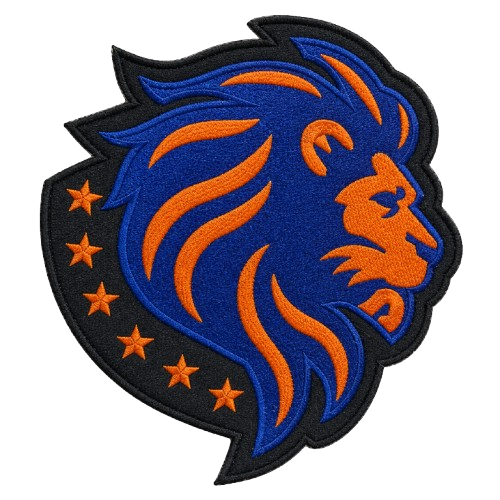
For heavy outdoor exposure, choose PVC rubber, then request samples with the exact backing you plan to use and ask for measured test data. Embroidered or woven patches work well on lower-exposure lifestyle pieces when the finish and backing are right. Confirm the backing first, because a patch that peels off in the rain never gets the chance to show its colors.
TL;DR:
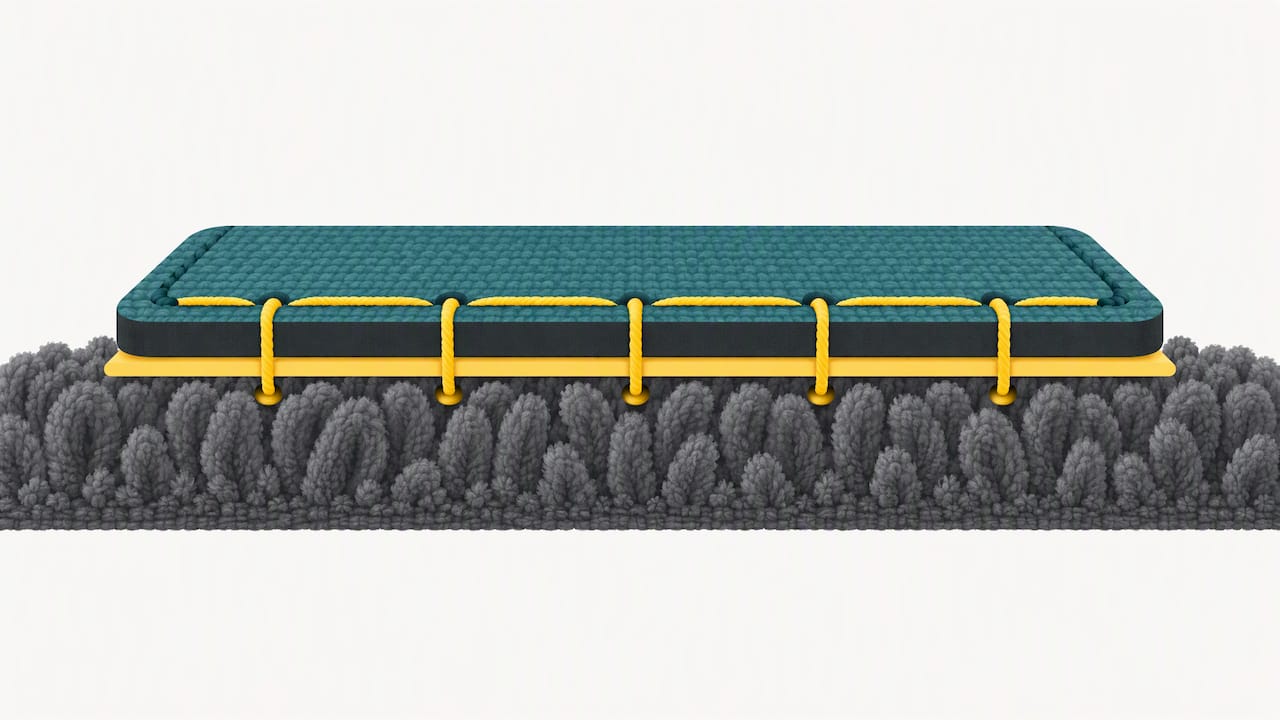
- Fleece, brushed knits, and other pile fabrics need sewn attachment; heat seal can create air gaps and should serve only as a positioning aid.
- Use hook and loop backing for modular gear, but professional applications need peel and shear ratings; test heat seal on the actual fabric.
- Ask suppliers for ASTM D751 integrity results, AATCC wash results, and xenon arc light testing; use 2.5 lbf as the adhesion benchmark.
- Approve a sample or small pilot with the final backing and edge finish, then wash, scuff, and expose it to sunlight before bulk production.
Table of Contents
- Which patch materials hold up best outdoors?
- Which backing holds a patch on in wet and rough conditions?
- What tests should you ask your supplier for?
- How do you clean and care for weatherproof patches?
- What should you check before you place an order?
- How we verify weatherproof performance
- Get samples and a fast quote for weatherproof patches
- FAQ
- Sources
- Authoritative standards and studies behind this guide
Which patch materials hold up best outdoors?
Material choice starts with exposure. Technical decoration specialists recommend PVC for high-exposure environments such as rain, saltwater, mud and strong UV, and embroidery for lower-exposure, lifestyle uses. That matches what we see in orders every day.
- PVC rubber: A molded, sealed surface that sheds water and wipes clean. It suits backpacks, marine gear and tactical pouches.
- Embroidered: The classic textured look. Outdoor performance depends on stitch density, thread quality, backing and edge finishing.
- Woven and printed: They can offer finer detail and a thinner profile. Consider the expected exposure when choosing them.
- Leather: A premium look, though outdoor durability can vary. Consider the expected exposure before choosing it.
Cost depends on the material and design. Ask suppliers how setup and production costs compare for your order. Our PVC rubber patches page covers construction in more detail, and our guide on PVC versus embroidered patches walks through the common mistakes.
Pro Tip: Describe the harshest realistic use of the patch, such as weekly saltwater spray or daily pack abrasion, and choose the material for that worst case, not the average one.
Which backing holds a patch on in wet and rough conditions?
The best material fails if the attachment lets go. Here is how the options rank for outdoor use:
- Sew-on: Often a suitable option for textured or high-wear fabrics such as fleece or heavy Cordura.
- Hook-and-loop (Velcro): Right for modular gear where patches swap often. For professional use, confirm peel and shear ratings first.
- Heat-seal or iron-on: Convenient, but it can delaminate on some fabrics. For technical garments like fleece, relying only on heat-seal can fail because brushed textures create air gaps, so sewing is often recommended for long-term attachment.
- Adhesive-only: Check with the supplier whether it is suitable for your fabric and intended exposure.
Run a sample heat-press trial on your actual fabric before approving a heat-seal order. Our breakdown of patch adhesive types and our guide to patch backing types explain each option in detail.
Pro Tip: If the substrate is fleece, brushed knit or anything with a pile, plan on sewing and treat any heat-seal layer as a positioning aid, not the primary hold.
What tests should you ask your supplier for?
“Weatherproof” means little without numbers. Ask for documented results that fit your patch type:
- ASTM D751 for coated or molded materials, the kind of testing often used to assess PVC patch integrity.
- AATCC wash methods for embroidered patches, to check fraying and structural integrity after repeated laundering.
- Colorfastness to light using xenon-arc exposure. ACT guidelines and AATCC methods describe how these tests simulate sunlight-driven fading for fabrics intended for outdoor use.
- Simulated laundering results for heat-seal backing, relevant to your specific substrate.
Industry practice cites a peel force of at least 2.5 lbf as a practical threshold for secure adhesion. Use it as your benchmark when a supplier shares backing test data.
How do you clean and care for weatherproof patches?
Good care keeps designs legible season after season.
- Follow the supplier’s care instructions for PVC patches, and check whether cleaning products are compatible with the material.
- Follow the garment’s care label for embroidered patches.
- UV exposure can affect patch appearance. Ask about colorfastness testing and consider placement when choosing a patch.
- Inspect patches after washing and heavy use. Replace any that show delamination, lifted thread or lasting color loss.
Finish chemistry ages too. A weathering study found that water-repellent finishes based on side-chain fluorinated polymers can degrade outdoors, losing repellency over time. That is a good reason to judge a patch by tested performance, not by a coating claim alone. Our patch washing instructions match care steps to backing type.
What should you check before you place an order?
Work through this list when you request quotes:
- Request complimentary samples, or a small pilot run, with the final backing and edge finish.
- Ask whether PVC tooling is required and how it changes cost and lead time compared with embroidery setup.
- Require documented results for peel force, wash cycles and UV colorfastness, plus written care instructions.
- State the intended use: wash frequency, saltwater exposure and abrasion expectations.
- Confirm minimums, typical lead times and options for expedited sampling.
Pro Tip: Test the sample the way it will really live. Wash it, rub it against your pack straps, and leave it in a sunny window for a few weeks before you approve bulk production.
How we verify weatherproof performance
Our process is simple on purpose. We start with sample approval, move to a small pilot run, and then recommend the attachment method that suits your target fabric. Ask about samples and quote turnaround so you can confirm backing and finish choices before committing. I’d also tell you plainly that no spec sheet replaces holding a sample that has been washed, scuffed and left in the sun. Ask us about samples.
— Bilal
Get samples and a fast quote for weatherproof patches
We make PVC rubber patches and embroidered patches for outdoor use. Ask us about sample availability. Send us your artwork file, intended backing, exposure profile, quantity and timeline, and we turn your quote around quickly. Validate performance with a sample run before any bulk order, then request your quote today.

FAQ
Are PVC patches better than embroidered for outdoor use?
For heavy exposure, yes. PVC has a sealed, molded surface suited to rain, saltwater, mud and strong UV, and specialists favor it for those conditions. Embroidery fits lower-exposure, lifestyle pieces.
Is sewing or heat-sealing better for outdoor patches?
Sewing is the safer choice for long-term outdoor attachment, especially on fleece and other textured fabrics. Heat-seal can work on smooth fabrics, but run a sample heat-press trial and ask for peel-force results first.
What peel-force number should a good backing meet?
Industry practice cites at least 2.5 lbf as a practical benchmark for secure adhesion. Ask your supplier to show test data against that figure for your fabric.
Will outdoor patches fade over time?
UV exposure can affect a patch’s appearance. Placement and material choice matter, and xenon-arc colorfastness tests can help assess how a design performs.
Sources
- Thwingalbert
- PVC Rubber Patches for Outdoor Gear vs Embroidered
Outdoor Aging Study to Investigate the Release
of Per- And Polyfluoroalkyl Substances (PFAS) from Functional Textiles | Environmental Science & Technology | ACS Publications](https://pubs.acs.org/esthag/article-split/56/6/3471/382508/An-Outdoor-Aging-Study-to-Investigate-the-Release) - Colorfastness to Light
- Thefashionlaw
Authoritative standards and studies behind this guide
- ASTM D751 coated fabric testing: supports the PVC integrity tests and the 2.5 lbf peel-force benchmark.
- ACT colorfastness guidelines: supports the xenon-arc light-fading tests.
- Outdoor aging study on functional textiles: shows that some water-repellent finishes lose performance outdoors.
- ASTM D6544 textile preparation practice: describes simulating prolonged seasonal exposure before testing.