


Custom patches have evolved from simple utility items into powerful tools for branding, fashion, and self-expression. Whether you are a business owner looking to unify your team’s uniforms or a DIY enthusiast wanting to “upcycle” a vintage denim jacket, understanding the world of custom patches is essential.
In this comprehensive guide, we will break down everything from the historical roots of embroidery to the modern technical specifications you need to know before placing an order.
The Evolution of Custom Patches: From Military Roots to Modern Fashion
Historically, patches served two main purposes: identification and repair.
The Ancient Origins
Centuries ago, patches were purely functional, used to mend expensive fabrics. However, the true “boom” of patches began in the military. Embroidered insignias were used to denote rank, unit affiliation, and honors. These were hand-stitched with meticulous detail, making them symbols of prestige.
The Pop Culture Revolution
In the 1960s and 70s, patches moved from the battlefield to the streets. The “Hippie” movement and later the “Punk Rock” scene adopted patches as a way to express political dissent and musical tastes. Denim jackets became canvases for individual identity.
Today’s Digital Era
Today, the industry has been revolutionized by Computer-Aided Design (CAD) and high-speed embroidery machines. We can now produce thousands of identical, high-definition patches in a fraction of the time it once took to stitch a single emblem.

Choosing the Right Type of Patch: A Technical Comparison
Not all patches are created equal. Choosing the wrong type can lead to a design that looks “muddy” or a patch that doesn’t survive the wash.
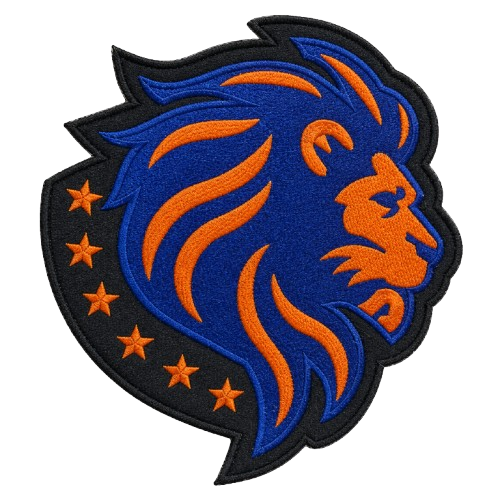
Embroidered Patches (The Gold Standard)
- Best For: Classic logos, bold text, and high-contrast designs.
- Construction: Stitched with rayon or polyester thread onto a twill backing.
- Pros: High texture, 3D feel, and extreme durability.
- Cons: Not ideal for very small text (under 0.25 inches).
Woven Patches (For High Detail)
- Best For: Intricate designs, small lettering, and complex logos.
- Construction: Created by weaving thin threads together (no twill base).
- Pros: Smoother finish, thinner profile, and capable of photographic-like detail.
- Cons: Lacks the “raised” 3D texture of embroidery.
PVC Patches (The Modern & Rugged Choice)
- Best For: Outdoor gear, tactical uniforms, and waterproof accessories.
- Construction: Made from flexible, durable rubber (Polyvinyl Chloride).
- Pros: Waterproof, fade-resistant, and supports 2D or 3D molding.
- Cons: Heavier than fabric and more expensive for small batches.
Chenille Patches (The Varsity Classic)
- Best For: Letterman jackets, cheerleading uniforms, and retro-style fashion.
- Construction: Uses vaulted yarn loops to create a “fuzzy” or carpet-like texture.
- Pros: Distinctive, soft feel and high visual impact.
- Cons: High maintenance (needs gentle cleaning) and poor for fine detail.
Leather Patches (Premium Branding)
- Best For: High-end apparel, denim brands, and hats.
- Construction: Debossed or laser-engraved real or faux leather.
- Pros: Sophisticated, ages beautifully, and extremely durable.
- Cons: Limited color palette (usually shades of brown or black).
Understanding Patch Backings: How to Attach Your Patch
The backing you choose determines the longevity and versatility of your patch.
| Backing Type | Best Use Case | Durability |
|---|---|---|
| Sew-On | Permanent gear, uniforms, heavy-duty washing. | Highest |
| Iron-On | DIY fashion, light-use apparel, denim. | Medium |
| Velcro (Hook & Loop) | Tactical gear, employee shifts, interchangeable styles. | High |
| Adhesive (Stick-On) | Temporary events, trade shows, promotional giveaways. | Low |
| Magnetic | High-end suits or materials you don’t want to pierce. | N/A |
Design Considerations: Optimizing for Production
One common mistake is submitting a digital logo that doesn’t translate well to thread. To get the best results, follow these rules:
- Simplicity is Key: Avoid gradients. Embroidery uses solid thread colors. If your logo has a fade, consider Sublimated (Printed) Patches.
- The “Merrow” Border vs. Heat Cut: * Merrowed Border: The thick, wrapped edge seen on most patches. Great for standard shapes (circles, squares).
- Heat Cut/Laser Cut: A flat, sharp edge used for “die-cut” or irregular shapes.
- Digitizing: Your artwork must be converted into a “Stitch File” (.DST or .PES). At Lee Embroidery LLC, we specialize in ensuring your design maintains its integrity during this process.
Step-by-Step: How to Order Custom Patches
Ordering doesn’t have to be complicated. Here is the workflow we recommend:
- Step 1: Define the Purpose. Is it for a one-time event or a rugged work uniform? This dictates the material.
- Step 2: Create Your Artwork. High-resolution PNG or Vector (AI/SVG) files are preferred.
- Step 3: Choose Your Size. Measure the area on your garment. Most chest patches are 3–4 inches, while hat patches are 2–2.5 inches.
- Step 4: Request a Sample. Always ask for a digital “stitch-out” or a physical sample to check color accuracy.
- Step 5: Mass Production. Once approved, your patches are manufactured, quality-checked, and shipped.
Care and Maintenance: Making Your Patches Last
To ensure your patches don’t fray or peel:
- Washing: Always wash garments inside out on a cold, gentle cycle.
- Drying: Air-drying is best. High heat from a dryer can weaken the adhesive on iron-on patches.
- Ironing: Never iron directly onto a PVC or printed patch. Use a pressing cloth (like a thin pillowcase) between the iron and the patch.
FAQs: Ordering Custom Patches in the USA
If you are looking for a reliable partner for custom patches in the USA, you likely have questions about shipping, quality, and local standards. Here are the answers to the most common queries from our U.S. customers.
Q1: How much do custom patches cost in the USA?
A: Pricing typically depends on the embroidery percentage, size, and quantity. On average, bulk orders for 50–100 patches can range from $1.50 to $4.00 per patch. Small “no minimum” orders or high-detail PVC patches may have a higher unit cost. At Lee Embroidery, we provide transparent quotes with no hidden setup fees.
Q2: What is the standard turnaround time for U.S. orders?
A: Most custom patch projects in the USA take 7 to 14 business days for production after the design is approved. We also offer rush shipping options via DHL or FedEx for time-sensitive events like trade shows or team launches.
Q3: Can I get a physical sample before my full order ships?
A: Absolutely. We recommend all our U.S. clients review a digital “stitch-out” or a physical pre-production sample. This ensures the thread colors match your brand identity perfectly before the final run.
Q4: Can I put a custom patch on any fabric?
A: Almost! While cotton and denim are ideal, heat-sensitive materials like silk or thin polyester may melt with iron-on backings. In those cases, sew-on or magnetic backings are better.
Q5: Can I turn a photo into a patch?
A: Yes! However, you should choose a Printed (Sublimated) Patch for photos. Embroidery cannot replicate the millions of colors and gradients found in a photograph.
Ready to Elevate Your Brand?
At Lee Embroidery LLC, we combine traditional craftsmanship with modern technology to deliver the highest quality patches in the industry. Whether you need PVC Rubber Patches for outdoor gear or Chenille Patches for your local sports team, we are here to help.
Get a Free Quote for Your Custom Patch Project Today!
Summary
This comprehensive guide serves as the definitive resource for anyone looking to design and order high-quality custom patches. It explores the journey of patches from their historical origins in military insignias to their modern-day role as a staple of branding and self-expression.
Key Takeaways:
- Types & Materials: Learn the technical differences between Embroidered (classic texture), Woven (high detail), PVC (waterproof/tactical), and Chenille (retro/fuzzy) patches to find the perfect match for your project.
- Backing & Attachment: A deep dive into choosing the right attachment method, comparing the durability and convenience of Iron-on, Velcro, Sew-on, and Adhesive backings.
- Design & Production: Expert tips on optimizing artwork for thread, understanding “Merrowed” vs. “Laser-cut” borders, and the importance of the digitizing process.
- Maintenance: Practical advice on washing and care to ensure your patches remain vibrant and securely attached for years.
- USA Market Insights: Specific guidance on pricing, turnaround times, and shipping for customers looking for custom patches in the USA.
Why Trust This Guide?
This guide was compiled by embroidery experts to provide a 360-degree view of the industry. By focusing on quality materials and proper application, you can ensure your custom patches aren’t just a decoration, but a lasting investment.



4 Comments